The Quiet Power of Restraint: Why Minimalism Isn't About Sacrifice
Minimalism has a perception problem. It's often framed as deprivation—owning less, doing without, cutting back. The language around it suggests sacrifice: pare down, strip away, eliminate excess.
But that's not what minimalism is, at least not the functional kind. Real minimalism isn't about owning fewer things. It's about owning things that work harder.
The Wardrobe Problem No One Talks About
The average person wears 20% of their wardrobe 80% of the time. That statistic gets cited frequently, but the implications are rarely explored.
It means most of us own clothing we don't actually use. Not because we're careless shoppers, but because the majority of what's available is designed for specific contexts, narrow occasions, or trends that feel dated within months.
You buy a blouse for work presentations. It's too formal for client lunches. A dress for a wedding that sits in your wardrobe afterwards because it doesn't work for anything else. Trousers that fit well but only coordinate with one top. Pieces that looked compelling in the shop but don't speak to anything you already own.
The result isn't just clutter. It's decision fatigue every morning. The feeling that you have nothing to wear despite a full wardrobe. Mental energy spent on outfit planning instead of more important things.
This isn't a personal failing. It's a design problem created by how most fashion operates.
How Fast Fashion Changed the Mathematics
Fast fashion didn't just accelerate production cycles. It fundamentally changed the value equation of clothing.
When a top costs £8, the expectation shifts. You're not buying something to last years—you're buying something for right now. The seams don't need to hold up to repeated washing. The fabric doesn't need to maintain its shape after a season. The colour doesn't need to stay true.
The business model requires constant turnover. New styles every few weeks. Trends that arrive quickly and leave just as fast. Clothing designed for a few wears, not years of use.
This model works financially for retailers—low cost per item means high volume sales. But the mathematics doesn't work for the person buying it. You need more pieces because each one has a shorter lifespan. You need constant replacements because quality doesn't support longevity. Your wardrobe expands but never quite works.
The environmental costs are well documented at this point. The textile industry produces 92 million tonnes of waste annually. The equivalent of one rubbish truck of textiles is landfilled or incinerated every second. Most fast fashion pieces are worn fewer than five times before disposal.
But there's a personal cost too. Wardrobes that don't function. Clothing that doesn't perform. The ongoing expense of replacement. The time spent shopping for things that won't last.
What a Capsule Wardrobe Actually Does
A capsule wardrobe isn't about restriction. It's about intentional curation.
The concept is straightforward: a small collection of versatile pieces that work together across contexts. Usually 30–40 items including shoes and outerwear. A consistent colour palette so everything coordinates. Quality construction that supports years of wear rather than a season.
The advantages are practical, not philosophical.
When your wardrobe is built on pieces that work together, getting dressed takes less time. You're not searching for the one top that goes with those trousers. Everything speaks to everything else.
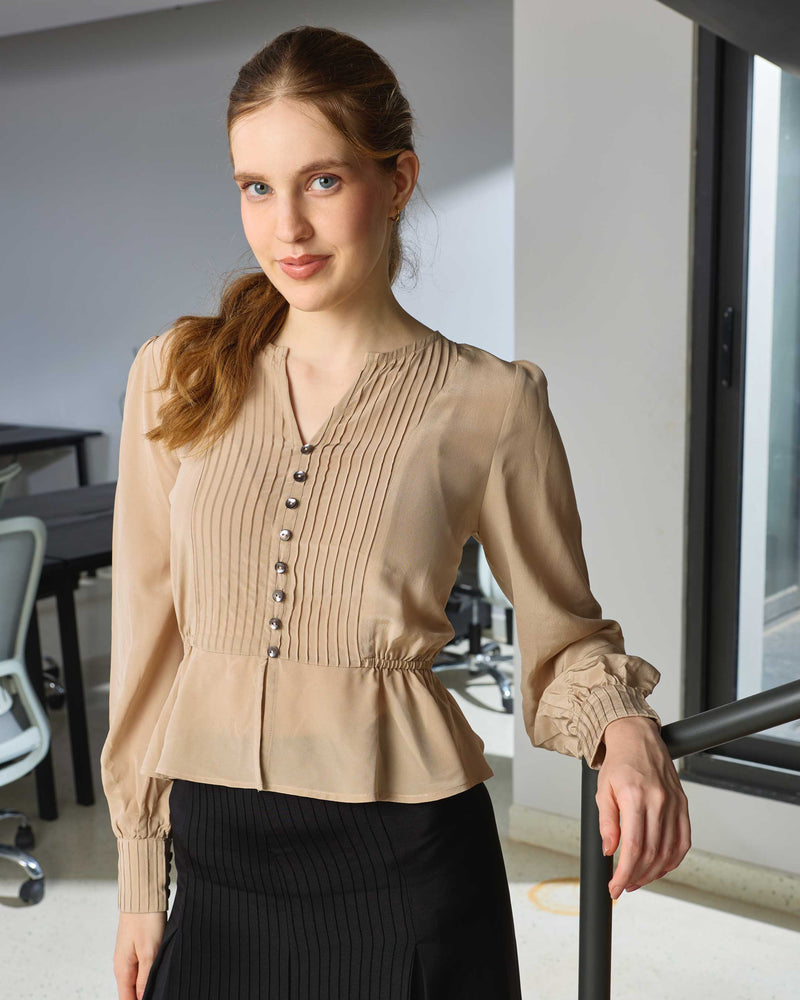
When pieces are designed to transition across contexts, you need fewer of them. The blouse that works for client meetings also works for weekend lunches. The trousers appropriate for presentations also feel comfortable working from home.
When quality is prioritised over quantity, cost per wear decreases dramatically. A £200 blouse worn twice a week for three years costs less per wear than a £30 blouse that lasts six months.
This isn't deprivation. It's efficiency.
The Restraint That Creates Freedom
There's a counterintuitive truth about capsule wardrobes: limitation creates ease.
When you work within a defined colour palette—say, navy, charcoal, taupe, burgundy, ivory—new purchases become simpler. You're not wondering if something will coordinate with your existing wardrobe. You already know.
When you prioritise versatile silhouettes over trend-driven pieces, your wardrobe doesn't become obsolete each season. A well-cut pair of trousers works this year and next year and the year after.
When you invest in quality construction—proper seams, durable fabric, thoughtful finishing— pieces improve with wear rather than deteriorating. That initial higher cost distributes across years of use.
The restraint isn't in owning less. It's in being selective about what you bring in. Asking whether something expands your options or creates an orphaned piece. Whether it works with what you already own. Whether the construction supports the cost.
This selectivity paradoxically creates more freedom. Less decision fatigue. Less time spent shopping. Less money spent replacing things that didn't last. More confidence that what you're wearing works for whatever your day requires.
The Real Minimalism
Minimalism, properly understood, isn't about owning less. It's about owning better.
Better fabric that breathes and lasts. Better construction that holds up to repeated wear. Better silhouettes that work across contexts. Better colours that coordinate instinctively.
It's about clothing that earns its place in your wardrobe through usefulness, not aspiration. Pieces you actually wear, not pieces you thought you should buy.
The result is measurable: you spend less time deciding what to wear, less money replacing pieces that didn't last, and less mental energy managing a wardrobe that doesn't work together. The environmental impact is naturally reduced when clothing is built to endure.
What you gain is ease in getting dressed, in knowing your wardrobe functions, in trusting that what you've invested in will serve you for years.